
Affordable Solar for Farms & Agriculture

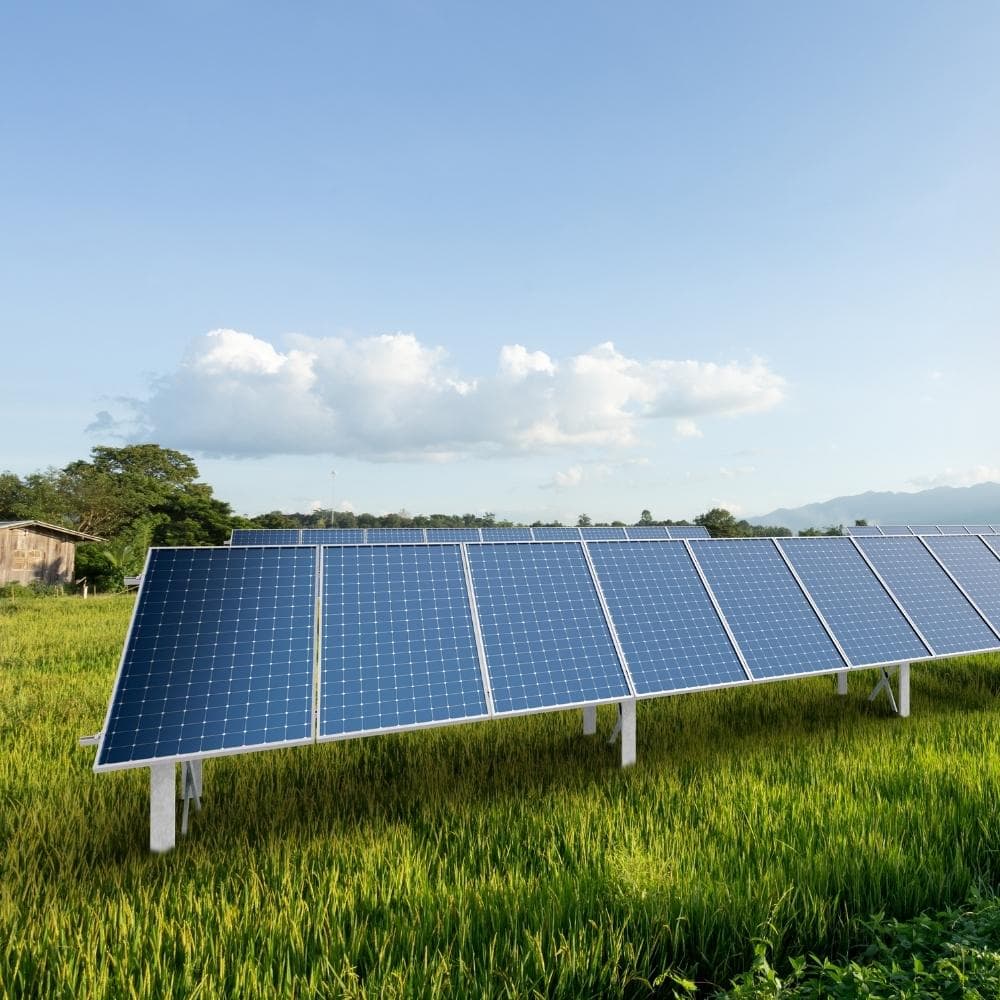
Affordable Solar for Farms and Agriculture Operations
For South African farms, solar is no longer only a sustainability decision. It is becoming a practical financial and operational decision. Rising electricity costs, power interruptions and pressure on farming margins have made energy planning a serious part of running a productive agricultural operation. Farms depend on reliable energy in ways that are often more complex than standard homes or small businesses.
A farm may need power for irrigation, boreholes, cold storage, packhouses, dairy equipment, poultry systems, workshops, security, farm offices and staff housing. When the power supply becomes unreliable or too expensive, the effect is felt across the whole operation.
For many farmers, the challenge is not whether solar could help. The real question is how to plan an affordable solar system that supports the farm’s real energy needs without unnecessary overspending.
An affordable system is not simply the cheapest system available. It is a system that is correctly designed, reliable, scalable and financially sensible. For agriculture, this means matching the solar design to the farm’s load profile, seasonal demand, high-priority equipment and available roof or land space.
Farmers looking at solar for farms should start with one key principle: the right system must fit the way the farm actually operates.
What Affordable Solar Means for Farms
The word “affordable” can be misleading in the solar industry. Some people use it to mean the lowest upfront price. For farming operations, affordability should mean long-term value, lower electricity costs and a system that supports production without creating unnecessary risk.
An affordable solar system for a farm should be designed around:
- Actual electricity usage
- Seasonal farming demand
- Irrigation and pump requirements
- Cold storage and refrigeration needs
- Packhouse or processing loads
- Workshop and equipment usage
- Staff housing and office requirements
- Daytime and nighttime energy use
- Backup power requirements. This often includes available roof or ground-mounted space, budget and finance options, and future expansion plans.
This is where proper system planning becomes essential. A system that is too small may not reduce electricity costs enough to make a meaningful difference. A system that is too large may cost more than necessary and delay return on investment. A system that is not designed for the right loads may fail to support the most important parts of the farming operation.
For farms, affordability cannot be separated from reliability. If power interruptions affect irrigation, cooling, dairy systems or production processes, the cost of downtime can be far greater than the cost difference between a poorly planned system and a correctly designed one. The goal is not to install the cheapest solar system. The goal is to install the most financially sensible solar system for the farm’s energy needs.
Cheap Solar vs Affordable Agricultural Solar
Many farmers search for cheap solar or a cheap solar system because the upfront cost matters. Farming operations often have tight budgets, seasonal cash flow and ongoing input costs. It makes sense to look for cost-effective options.
However, cheap solar and affordable solar are not the same thing.
A cheap solar system is usually judged mainly by the starting price. An affordable solar system is judged by whether it delivers long-term value.
A low-cost system may become expensive if it is:
- Undersized for the farm’s real load
- Installed without a proper site assessment
- Built with poor-quality components
- Unable to support key farm equipment
- Not suitable for future expansion
- Not designed around seasonal demand
- Unable to provide backup where needed
- Poorly matched to irrigation, refrigeration or production loads
For example, if an agricultural solar system cannot support critical water pumping when required, the farm may still remain dependent on expensive grid power or backup generators. If a cold room loses power because the system was not designed around essential loads, stock losses can quickly outweigh the initial savings.
This is why affordable solar systems should be planned around the cost of ownership, not just the upfront installation price. A reliable system that reduces electricity costs, supports key farm operations and allows for future growth is often more affordable over time than a cheaper system that needs upgrades or replacement later.
Where Farms Can Save with Solar
The savings from solar power for farms depend on how the farm uses electricity. Agricultural operations often have strong daytime energy demand, which can make solar a practical fit. If the farm can reduce the amount of electricity drawn from the grid while it is being produced, the system can reduce the amount of electricity drawn from the grid during active working hours.
Farms may benefit from solar across several operational areas.
Irrigation and Borehole Pumps
Irrigation and borehole systems can be major electricity users. Where these systems operate during daylight hours, solar can help reduce grid reliance and lower running costs. Proper design is important because pump loads, start-up demand and operating schedules must be understood before selecting the system.
Cold Storage and Refrigeration
Cold rooms, refrigeration and storage facilities require reliable power to protect produce, dairy, meat or other temperature-sensitive goods. For these areas, the solar system must be planned carefully, especially if backup power is required.
Packhouses and Processing Areas
Packhouses may use power for lighting, sorting equipment, conveyors, cooling systems, tools and administration areas. Solar can support these daytime operations while reducing operational electricity costs.
Dairy, Poultry and Livestock Operations
Dairy and livestock operations may rely on scheduled equipment use, ventilation, water systems, refrigeration and lighting. Energy interruptions can disrupt production and animal welfare, making reliability a key consideration.
Workshops and Farm Offices
Workshops, tools, office equipment, security systems, Wi-Fi, computers and staff facilities all add to farm energy demand. A farm-wide solar plan should consider these smaller but necessary loads.
Staff Housing and Security
Some farms also need energy for staff accommodation, lighting, access control, perimeter security and communication systems. These areas may not be the largest loads, but they are important for daily farm management.
The best agricultural solar plan identifies which loads create the most cost pressure and which loads are most critical to keep running.

Solar and Farming Need Practical Energy Planning
The relationship between solar and farming is not only about installing panels on available space. It is about understanding how energy supports the farm’s production cycle.
A farm’s energy demand may change throughout the year. Irrigation demand may increase during dry seasons. Packhouse usage may peak during harvest. Cold storage may be more important at certain times of year. A dairy or poultry operation may have more consistent daily energy requirements.
This seasonal pattern makes agricultural solar planning different from a standard commercial installation.
When planning agricultural solar, farmers should consider:
- Which months have the highest electricity demand
- Which equipment runs during daylight hours
- Which loads must continue during outages
- Whether the farm needs a battery backup
- Whether solar should be installed in phases
- Whether the system can be expanded later
- Whether roof-mounted or ground-mounted solar is more suitable
- How far are energy demand points from the installation area
- Whether solar finance can protect cash flow
For farms with suitable land, solar farmland or solar on farmland may be a practical option. Ground-mounted solar can work well where roof space is limited or where energy demand is closer to open land than to buildings. However, it must be planned so that the installation does not interfere with productive land use, vehicle movement, equipment access or future farm development.
This is why a site-specific assessment is so important. A farm solar system should be designed for the property, not copied from another installation.
Affordable Solar Panel Installation for Farms
An affordable solar panel installation for a farm starts with a proper assessment. The installer needs to understand what the system must support, where it will be installed, how the farm uses power and what the farmer wants to achieve financially.
The lowest quote is not always the most cost-effective option. A quote that does not account for pump loads, cable distances, backup requirements, roof condition or ground-mounted structures may lead to additional costs later.
A well-planned, affordable solar installation should consider:
- The farm’s current electricity bill
- Load requirements for pumps, cooling, processing and buildings
- The distance between the solar system and equipment
- Whether the system will be roof-mounted or ground-mounted
- The quality of panels, inverters and batteries
- Whether backup is required for critical equipment
- How the system will be monitored and maintained
- Whether future expansion is likely
- Whether finance is needed
For agricultural sites, installation complexity can vary significantly. A small farm office solar installation is very different from a system designed for irrigation, cold rooms and packhouse operations. The layout of the farm matters, as does the distance between demand points.
APS provides dedicated agricultural and farming solar solutions to help farmers assess these requirements and plan systems that are suitable for their operations.
Solar Finance for Farms
For many farms, the biggest barrier to solar is not interest. It is cash flow. Farming operations often need to manage seasonal income, input costs, labour, equipment, maintenance and production expenses. Even when solar makes long-term financial sense, the upfront capital cost can delay the decision.
This is where solar finance can make the investment more practical.
Finance options may help farmers access solar without placing too much pressure on working capital. Instead of using available cash that may be needed for production, equipment or seasonal costs, a farm may be able to structure the solar investment in a way that better suits its cash flow.
APS offers alternative energy financing solutions that may support qualifying clients who want to adopt solar while managing upfront capital requirements.
Solar finance can be useful where a farm wants to:
- Reduce dependence on grid electricity
- Improve monthly cost predictability
- Protect cash flow
- Avoid delaying the solar project
- Install a more suitable system instead of choosing the cheapest option
- Phase the system over time
- Align energy investment with operational savings
Finance does not replace proper planning. The system still needs to be correctly sized and financially sensible. But when structured correctly, solar finance can help farmers move forward with an installation that supports long-term savings and operational reliability.
Phased Solar for Farms
A full farm solar installation may not always need to happen at once. In many cases, a phased approach can be more practical and affordable.
A phased installation allows the farmer to start with the most important energy loads first, then expand the system over time. This can be useful where the farm has multiple buildings, different load centres or a longer-term plan to reduce grid reliance gradually.
Examples of phased farm solar may include:
- Starting with irrigation or borehole pumping
- Adding solar to packhouse operations
- Supporting cold storage and refrigeration
- Adding backup for critical equipment
- Expanding to workshops or farm offices
- Including staff housing at a later stage
- Scaling the system as production grows
The benefit of phasing is that it can reduce upfront capital pressure while still moving the farm towards greater energy independence. However, the first phase must be planned carefully. The system should be designed with future expansion in mind to avoid compatibility issues or unnecessary rework later.
Phased planning is often one of the most practical ways to make solar power for farms more affordable.
What Affects the Cost of Solar for Farms
The cost of agriculture solar power depends on the farm’s energy requirements and site conditions. A generic price is rarely useful because each farm operates differently.
The main cost factors include:
Electricity Usage
The farm’s electricity usage is the starting point. A farm with high irrigation, cooling or processing demand will need a different system from a farm that mainly needs power for offices and housing.
System Size
The system size should match the load. Oversizing can lead to unnecessary cost, while undersizing can limit savings and performance.
Pump and Equipment Loads
Pumps, motors, compressors and refrigeration systems may require careful inverter planning. Start-up loads and running loads must be considered.
Battery Backup
Battery storage can support critical loads during outages, but it increases cost. Not every load needs to be backed up. The system should separate essential and non-essential loads.
Roof or Ground Space
Some farms have suitable roof space on packhouses, sheds, workshops or offices. Others may need ground-mounted systems. Each option affects design and cost.
Distance Between Loads
Large farms may have energy demand spread across different areas. Cable distances and distribution requirements can influence installation cost.
Installation Complexity
Mounting structures, roof condition, ground works, electrical infrastructure and compliance requirements can all affect the final investment.
Finance and Phasing
Solar finance and phased installation can help make the project more manageable from a cash flow perspective.
Farmers can view APS‘s solar installation gallery to see examples of installation quality and completed solar work.
How APS Helps Farmers Plan the Right Solar Investment
Choosing a solar provider for a farm is not only about comparing prices. It is about choosing a partner who understands the practical and financial role that electricity plays in agricultural operations.
APS helps farmers and agricultural clients plan solar systems around their actual needs, available space, budget and long-term energy goals. The process should not begin with a package. It should begin with understanding the farm.
For agricultural clients, APS can help assess:
- Farm electricity usage
- Irrigation and pump loads
- Cold storage and packhouse requirements
- Workshop and office needs
- Backup power priorities
- Roof or ground-mounted options
- solar finance and phased installation options
- Future expansion requirements
APS‘s broader business and home solar energy systems page also highlights engineered system design, solar power installations, municipal compliance and long-term energy savings. These trust signals are important for farmers who want a system that is planned properly, not simply installed quickly.
Prospective clients can also review APS client testimonials to see customer feedback and confidence in completed work.
Plan an Affordable Solar System for Your Farm
For farming and agricultural operations, solar should be planned as a long-term investment. The best system is not necessarily the cheapest or the largest. It is the system that supports the farm’s real energy needs, reduces electricity costs and fits the budget sensibly.
An affordable farm solar system should be practical, reliable and designed around the way the farm uses power. It should support operational continuity, allow for future growth and reduce long-term dependence on expensive grid electricity.
Whether you are exploring solar for farms, comparing affordable solar systems, or planning agricultural solar for irrigation, cold storage, packhouses or general farm operations, the first step is proper assessment.
To discuss the right solar solution for your farm, contact Affordable Power Solutions for a practical assessment and quote.


